

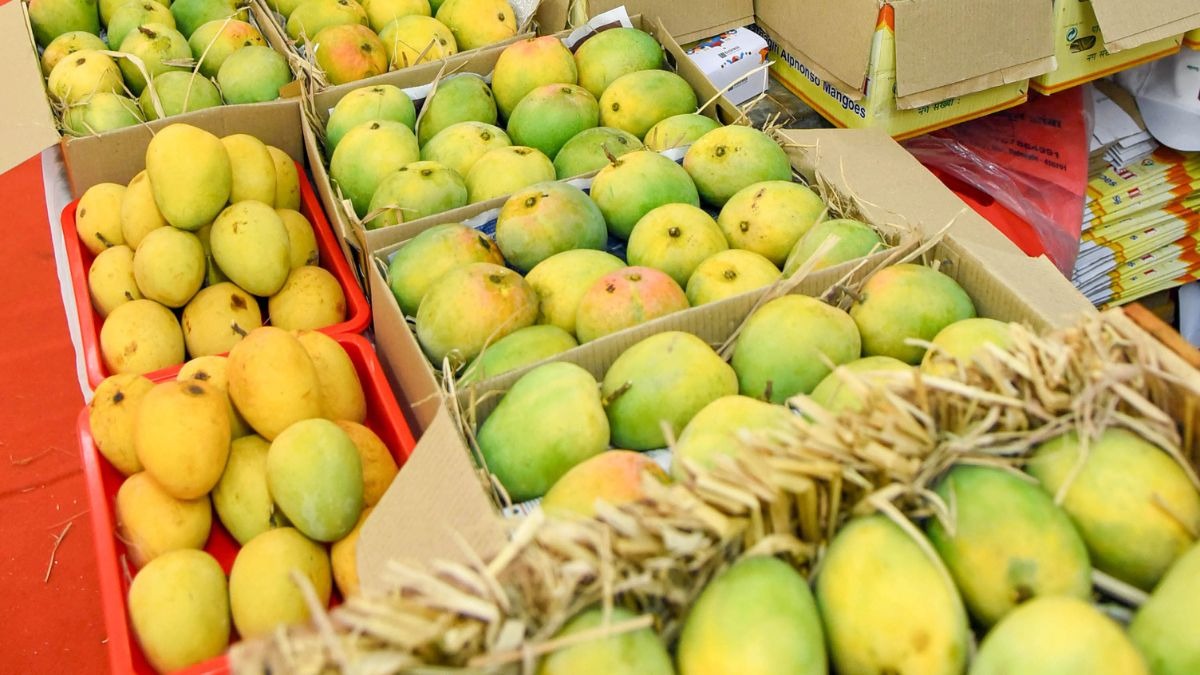
Uttar Pradesh’s Malihabad, Kakori and Mal areas are usually brimming at this time of the year with the fragrance of mango blossoms. But the picture is different now. The orchards are green and the trees flowering, yet confidence is missing from farmers’ faces. The reason: unpredictable weather.
Frequent temperature fluctuations and intermittent unseasonal rains during the crucial mango flowering phase have affected the early stage of the crop. This period is extremely sensitive for mango cultivation as it is when flowers convert into fruit. Even minor disruptions can impact the season’s yield.
P.K. Shukla, a scientist at the Indian Council of Agricultural Research’s (ICAR) Central Institute for Subtropical Horticulture (CISH) in Lucknow, explains that the issue. “The rain hasn’t directly damaged the blossoms, but temperature fluctuations have affected fruit-setting. Some orchards have seen fruit formation while in many others, it has not happened yet,” says Shukla.
Former CISH director Shailendra Rajan echoes the concern. “Mango flowers are extremely delicate, and sudden temperature changes affect them. If night temperatures drop below 15 degrees C, embryo development can stop. This is exactly what has happened in many places this year,” he notes.
Conversations with farmers in the villages of Malihabad make the anxiety even clearer. Farmer Sanjeet Singh says the flowering itself was weak from the start. “Flowers did come, but they weren’t strong enough. Now rain and humidity have made things worse,” he informs.
Standing in a nearby orchard, farmer Ramgopal adds, “This is the time when mango trees need strong sunlight. If we don’t get sunshine in the next couple of days, we could lose a quarter of the crop.”
Farmer Subhash Mishra adds another worry. “Increased humidity has raised the risk of fungal infection on blossoms. If the weather doesn’t clear up, flowers will start dropping, and fruit formation will stop,” he says.
The challenge is not just flower drop but the chain of problems linked to it. High humidity has created favourable conditions for fungal growth and diseases. Horticulture expert Krishna Mohan Chaudhary explains. “Diseases like powdery mildew, anthracnose and dieback can spread rapidly at this stage. At the same time, pests such as hopper, mealybug and leaf webber become active, directly damaging blossoms and young fruits,” he says.
Farmers are caught in a dilemma. Excessive pesticide use harms beneficial insects like bees, which are essential for pollination. But reducing sprays allows pests and diseases to spread unchecked.
Experts also point to a decline in pollinators this year. Reduced activity of bees and other insects has affected natural pollination. “A shortage of beneficial insects has directly impacted fruit-setting. Both weather imbalance and excessive pesticide use are responsible,” says Shukla.
Amidst this crisis, questions are also being raised about orchard management practices. Experts believe traditional methods in the Malihabad region are becoming a limitation. In many orchards, trees have become too dense, restricting proper airflow and sunlight penetration. This directly affects both the quality and quantity of flowers and fruits.
“There is a need to focus more on pruning, canopy management and nutrient management. These techniques are being used more effectively in western Uttar Pradesh and Barabanki, resulting in higher productivity there,” says Rajan.
Malihabad has around 30,000 hectares under mango cultivation, with production last year reaching approximately 125,000 metric tonnes. However, given the current conditions, a decline in output is likely this year.
Experts warn that if the weather does not stabilise soon, not only will production drop, but fruit quality will also suffer. Smaller size, lower sweetness and blemished fruits fetch lower prices in the market, leading to financial losses for farmers.
Along with adverse weather, another major challenge has emerged this year—geopolitical tensions. The ongoing conflict in West Asia has raised concerns about mango exports.
Malihabad’s Dussehri mango is no longer limited to local markets. In recent years, its export has grown rapidly, with increasing demand in markets such as Dubai, the United States and Europe.
Last June, during mango season, Malihabadi Dussehri was exported directly to Dubai for the first time. Dinesh Pratap Singh, Uttar Pradesh’s minister of state (independent charge) for horticulture, agricultural marketing and agricultural export, flagged off the international consignment of 1,200 kilos from Lucknow. This also marked the first time a farmer producer organisation from the state was receiving a direct international order. The consignment was valued at around Rs 2.5 lakh.
This year, however, the shadow of Iran war looms over this trade. If the tensions escalate or prolong, they could directly impact the export of Dussehri mangoes from Malihabad. As Abhijit Bhonsle, a Pune-based exporter with 15 years of experience, explains: “The international market is highly sensitive. War or geopolitical tensions directly affect air cargo, shipping and demand. If the situation worsens, exports may decline.”
Bhonsle adds that India exported around 3,000-3,200 metric tonnes of mangoes last year, but uncertainty is higher this time. A drop in exports could also affect the domestic market. Excess supply may push prices down, leading to losses for farmers. On the other hand, if production also falls, prices may rise—but whether farmers will benefit from that remains uncertain.
Malihabad’s Dussehri is a brand, protected by a Geographical Indication (GI) tag. Its identity is tied to its taste, aroma and quality. But continued challenges related to weather and orchard management could threaten this reputation.
For now, Malihabad’s orchards are nurturing not just mangoes but a mix of hope and anxiety. The coming weeks will determine how much sweetness this “liquid gold” brings to farmers, and whether it can retain its worth in global markets.
Subscribe to India Today Magazine
– Ends