








“Shabjaanta gamchawala” is often used in West Bengal to describe the pretentious know-it-alls. This is one tribe of Bengalis that transcends castes, classes, age and landscapes. However, the know-all Bengali is clueless, and it could be the very first time in living memory. Ask them who is winning the Assembly election in Bengal, and watch their usual nonchalance disappear. Poof! Pure joy.
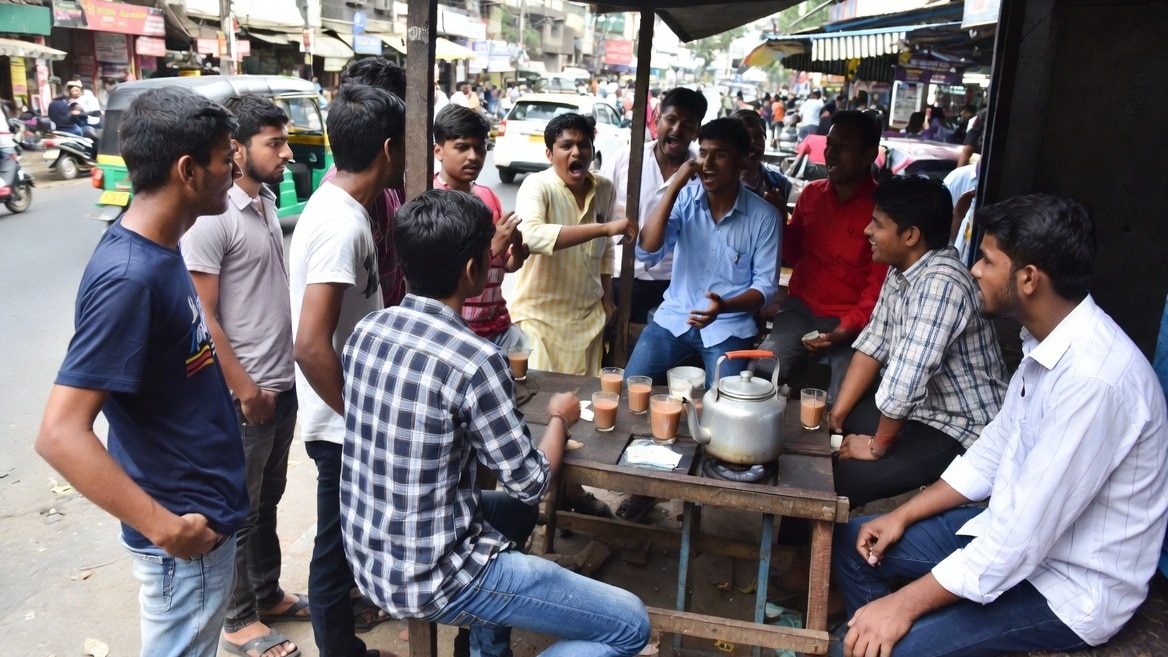
Well, that’s a relief too. Amartya Sen should have named his book The Argumentative Bengali, and not The Argumentative Indian, someone suggested years ago. The aura of know-all descends into debates that stretch for hours and endless cups of cha.
This state of confusion and reluctance to suggest who is winning the 2026 Assembly election in West Bengal has forced a national pollster to not release his exit poll prediction for the state. A pollster lives for this day. And just imagine, they couldn’t deliver their prediction.
Axis My India’s Pradeep Gupta said the widespread voter silence and instances of violence against surveyors made it impossible to confidently project the final seat tally in West Bengal. He said 80% of the people whom his team approached for input refused to talk. That for other states is 10%.
Bengalis refusing to share information is a phenomenon in itself. Try seeking direction from one of them, and the well-mannered person will OD you with info. That comes from the good nature of the people, and also the perpetual urge to show off. And that’s particularly true of the Shabjaanta Gamchawala.
Calcutta, being the seat of the early British Raj, became the centre of English education in India. This fostered the Bhadralok culture, where great emphasis was laid on literature and learning. Bengali homes have always prioritised education and intellectual growth over entrepreneurship.
Calcutta was a hub of Indian corporates, and Bengal was known for its industries. Until both became synonymous with hartal, michil (procession), resistance to work and shuttered factories.
The Freight Equalisation Policy, which came right after Independence, was a big factor in taking away factories from resource-rich eastern states like Bengal to distant states. Decades of Communist rule drove the last nail in the coffin of Bengal’s industries, and the Trinamool Congress hammered it further in.
While the culturally conscious Bengalis continued with their focus on education, businesses and jobs dwindled. People had all the gyaan but nothing much to do with it. It needed an outlet. That bred the adda and the club culture, and helped in the rise of the Shabjaanta Gamchawala.
Haridas Pal, the fictional character of yore, epitomises this delusion of knowledge and grandeur.
My colleagues who have just returned from West Bengal and my acquaintances in Kolkata say that the know-alls are clueless. There is no intense debate on who’s winning, unlike in previous elections. People are silent, and waiting for May 4, the day when the results will be declared.
I am no fan of exit polls. I had in 2024 written about why I hate them. Half the fun lies in anticipation, and exit polls are instant gratification that kill the charm of watching results pour in real-time. Then there’s the fact that Mamata Banerjee and her Trinamool Congress have had the habit of making a mincemeat of exit polls.
But there’s always the itch to know beforehand. Trying to foresee. People try to converse with others, at times with absolute strangers, to form their opinion on electoral results. That’s become impossible this time.
“The auto and toto wallahs, who used to actively take part in such discussions, are absolutely silent this time,” said one of the colleagues who had returned from the Dum Dum area this week. Because they keep interacting with a diverse population, the autowallahs have a fair sense of which way the wind might be blowing.
“No one in Kolkata is discussing in public what the outcome of the election could be,” said a trader from Chandni Chowk, near Esplanade. “That’s because everyone is clueless,” he said.
“Khub bhalo vote hoyeche ebar, onek bochhor porey (Voting has been conducted in a very good way after many years),” a teacher from Howrah told me, referring the tight security because of the deployment of central forces. “People have voted freely and enthusiastically,” she said.
The cluelessness and silence in Bengal might be indicative of the very tight contest between the BJP and the TMC in this election. It might also be telling of the fear among people of political vengeance. The silence is a mix of cluelessness, a tight fight and, of fear and anxiety. Or, perhaps, the Shabjaanta knows the result but has decided wisdom is in keeping quiet. For once.
Elections 2026 | West Bengal Election | West Bengal Election Constituencies | West Bengal Election Schedule
– Ends