





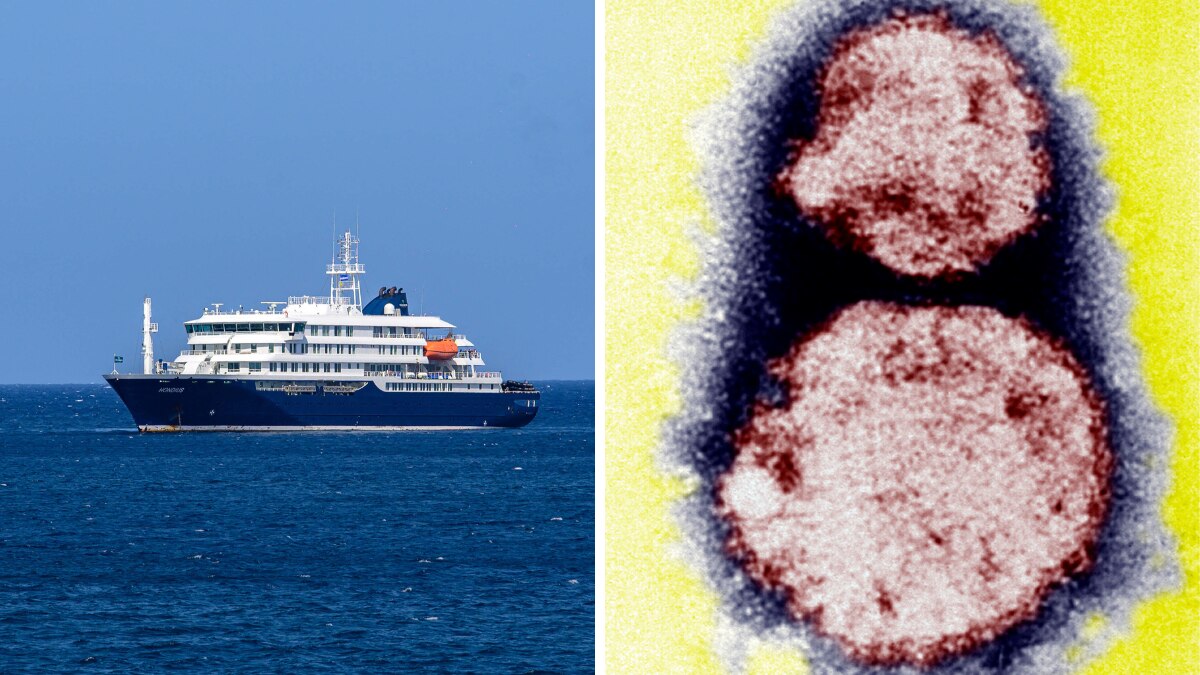
Cruise holidays are often seen as safe, controlled environments with strict hygiene and medical support. But like any closed setting, they can also raise concerns when someone falls sick with symptoms that resemble a viral infection.
One such rare but serious disease is hantavirus. While it is not commonly associated with cruise travel, the possibility, however low, can cause panic if symptoms appear onboard.
Hantavirus infections are typically linked to exposure to infected rodents, making them more common in rural or poorly sanitised areas. However, in today’s global travel environment, awareness becomes important even in unlikely settings like cruise ships.
The challenge lies in the fact that early symptoms can look like a common flu, making it easy to overlook until the condition worsens.
So what should passengers and onboard medical teams do if a case is suspected? How real is the risk at sea? And what steps can save lives before reaching a hospital?
Inputs by Dr Amit Prakash Singh, Consultant – Internal Medicine at CK Birla Hospital, Delhi, help break this down.
EARLY SYMPTOMS CAN LOOK LIKE A NORMAL VIRAL ILLNESS
One of the biggest challenges with hantavirus is that it does not start dramatically. In the early days, it can feel like a routine viral infection.
Symptoms may include:
-
Fever and chills
-
Body aches, especially in the back and thighs
-
Headache
-
Fatigue and weakness
-
Nausea, vomiting, or abdominal discomfort
-
Dizziness
These symptoms usually appear within one to two weeks after exposure. Because they are non-specific, they can easily be mistaken for flu or another common infection.
However, the real concern begins when the illness suddenly worsens. After a few days, a patient may develop:
-
Persistent cough
-
Breathlessness
-
Chest tightness
-
Difficulty breathing
This happens due to fluid build-up in the lungs. Falling oxygen levels and rapid breathing are serious warning signs that need immediate medical attention.
IS HANTAVIRUS A REAL RISK ON A CRUISE?
The good news is that the risk of hantavirus on a cruise ship is extremely low.
Modern cruise ships follow strict protocols for:
-
Hygiene and sanitation
-
Waste management
-
Pest control
This significantly reduces the chances of rodent exposure, which is the main source of hantavirus transmission.
However, the risk is not completely zero. Certain conditions could increase the chances, such as:
-
Rodent infestation in storage or food areas
-
Contaminated food supplies
-
Poor waste disposal
-
Weak sanitation practices
-
Docking at ports with poor rodent control
Hantavirus spreads through contact with rodent urine, droppings, saliva, or contaminated dust particles that become airborne and are inhaled.
Enclosed, poorly ventilated spaces with contaminated dust can also pose a risk, though such scenarios are rare on well-maintained ships.
WHAT TO DO IF SYMPTOMS APPEAR ONBOARD
If a passenger shows symptoms that could be linked to hantavirus, quick action is critical.
According to Dr Singh, the first step is isolation. The patient should be moved to a separate, well-ventilated cabin to reduce any potential exposure risk. Although most hantavirus strains do not spread from person to person, precautions are still important.
The onboard medical team should immediately begin monitoring:
-
Oxygen levels
-
Breathing rate
-
Heart rate
-
Blood pressure
Any signs of worsening, especially breathlessness or low oxygen levels, should be treated as medical emergencies.
TREATMENT FOCUSES ON SUPPORTIVE CARE
There is no specific antiviral treatment for hantavirus in most cases. Management mainly involves supportive care.
This may include:
-
Oxygen therapy if breathing becomes difficult
-
Careful use of intravenous fluids
-
Close monitoring of lung function
Doctors must be cautious with fluids, as excess fluid can worsen lung complications.
Testing is another challenge. Cruise ships typically do not have facilities to confirm hantavirus infection. Blood samples may be collected if possible, but the final diagnosis usually happens in specialised labs on land.
WHEN EMERGENCY EVACUATION BECOMES NECESSARY
If the patient’s condition starts to deteriorate, especially with severe breathing difficulty or dropping oxygen levels, immediate evacuation becomes necessary.
The patient should be transferred to a hospital equipped with intensive care facilities as soon as possible. In such cases, clinical judgment and early intervention matter more than waiting for test results.
Hantavirus remains a rare risk in cruise settings, but awareness can make a critical difference. Since early symptoms mimic common viral infections, both passengers and medical teams must stay alert to warning signs, especially sudden breathing difficulties after initial mild illness.
In a closed environment like a cruise ship, timely isolation, monitoring, and supportive care can help manage the situation effectively until advanced medical help is available.
– Ends