







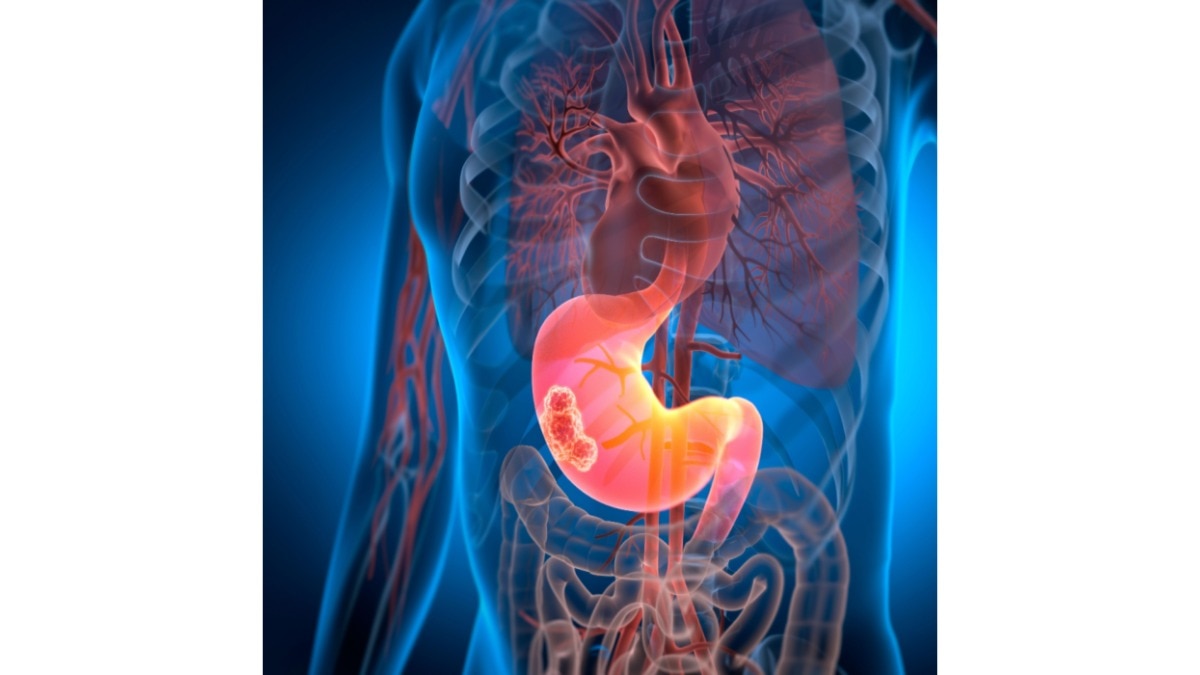
Persistent stomach discomfort, unexplained weight loss or a constant feeling of indigestion are symptoms people usually ignore, blaming them on poor eating habits or stress. However, in some cases, these subtle signs may point to something far more serious—pancreatic cancer.
Whipple surgery, a complex procedure involving removal of parts of the digestive system, is considered one of the most effective treatments for pancreatic cancer. Dr Sandeep Kumar Mohan, consultant-surgical oncology, Manipal Hospitals, Gurugram, explains what life looks like after it.
Understanding pancreatic cancer
The pancreas plays a significant role in digestion and blood sugar regulation. It produces enzymes that help break down food and hormones such as insulin that control blood glucose levels. In pancreatic cancer, abnormal cells grow within the pancreas and can interfere with these functions. It alters the body by hampering the organ’s ability to release enzymes, which often leads to malnutrition and significant weight loss. It also interferes with the production of insulin, which can cause sudden changes in blood sugar levels or lead to the onset of diabetes.
How Whipple surgery works
For tumours located in the head of the pancreas, Whipple surgery is standard for survival. During this procedure, a surgeon removes the head of the pancreas, the first part of the small intestine (duodenum), the gallbladder and the bile duct. In some cases, a portion of the stomach is also removed. The remaining organs are then surgically reattached to allow people to digest food and pass waste. Because several digestive organs are rearranged during the procedure, patients essentially begin life with a new digestive system.
Recovering from Whipple surgery
This is a gradual process. Patients often experience fatigue, reduced appetite and digestive discomfort in the initial weeks. Since the pancreas has been partially removed, the body may produce fewer digestive enzymes, which can affect how nutrients are absorbed. Many patients may require the support of pancreatic enzyme supplements, which support the breakdown of fats, proteins and carbohydrates.
A new digestive system
Since a significant portion of the digestive system has been altered, the new system will work differently. There is no longer a gallbladder to store bile, and less pancreas to produce digestive enzymes. This often leads to changes in bowel habits or trouble digesting fats. It can be managed through:
* Small and frequent meals: Instead of three big meals, go for 6-8 small meals throughout the day to avoid overwhelming the stomach.
* Enzyme replacement: Many patients take pancreatic enzyme supplements with every meal to help break down fats and proteins.
* Hydration: Sip water throughout the day rather than drinking large amounts during a meal.
* Monitor sugar: Since the pancreas regulates insulin, keep an eye on blood sugar levels as the body adjusts.
* Prioritise protein: Focus on protein sources like eggs, poultry or tofu. Protein is essential for tissue repair and regaining the strength lost during surgery.
Although recovery can be challenging, many patients gradually regain strength and return to normal activities within months. Physical activity, balanced nutrition and medical supervision play an important role in maintaining long-term health. It is important to remember that life after a Whipple surgery can be absolutely normal. But maintaining health post-surgery involves regular follow-up scans, a balanced diet and staying active.
Subscribe to India Today Magazine
– Ends