





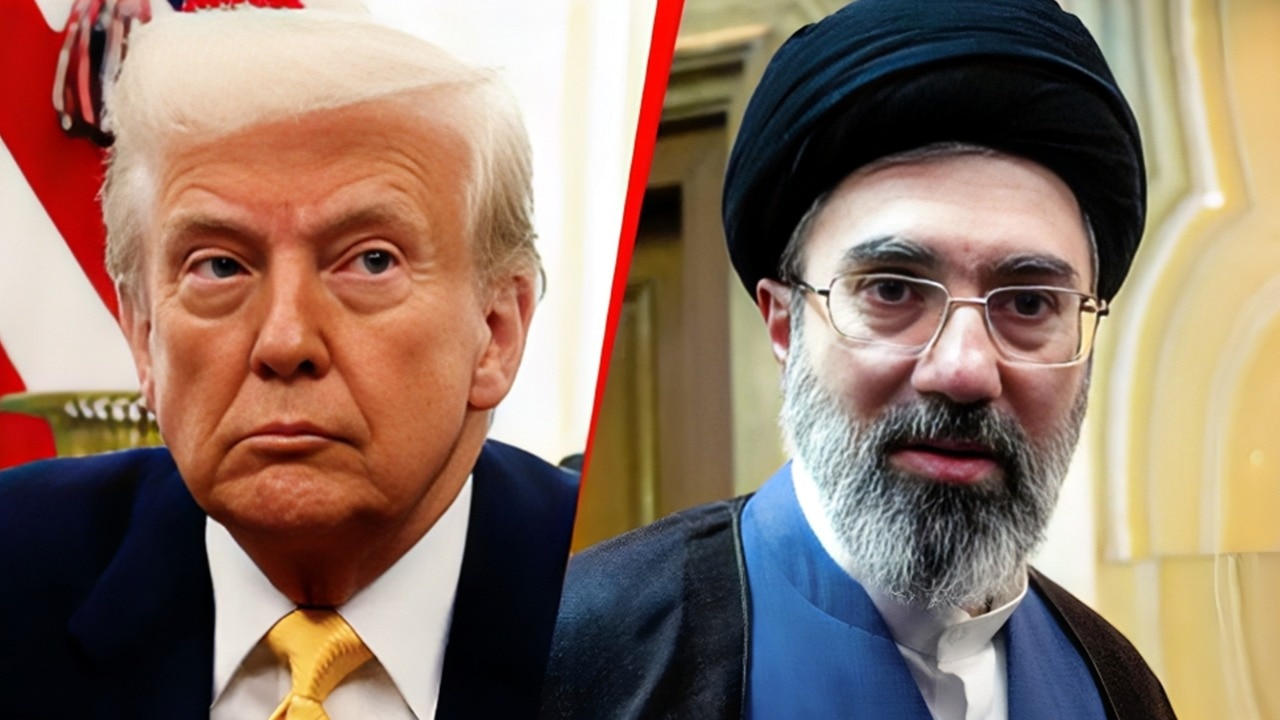
The United States is still awaiting Iran’s response to its latest proposal aimed at formally ending more than two months of fighting and launching broader peace negotiations. The proposal reportedly seeks to end the ongoing conflict before moving to more contentious discussions, including Iran’s nuclear programme. US President Donald Trump had earlier said he expected Iran to respond by Friday night to Washington’s latest proposal aimed at ending the conflict, while US Secretary of State Marco Rubio said Tehran’s reply was anticipated within hours. However, no official response had been received by Saturday.
Meanwhile, on Saturday, a period of relative calm prevailed around the Strait of Hormuz, which remains a critical global trade route, serving as a key corridor for nearly 20 percent of the world’s oil shipments before the conflict disrupted maritime traffic, after days of sporadic clashes raised fears of a wider regional conflict and disruption to global energy supplies. Recent days have seen the biggest flare-ups in fighting in and around Hormuz since a ceasefire began over a month ago, and the United Arab Emirates came under renewed attack on Friday.
RECENT CLASHES TESTED FRAGILE CEASEFIRE
Despite the ceasefire declared on April 7, tensions around the Strait of Hormuz have remained high, with renewed military activity reported in recent days. Iranian media said brief confrontations took place on Friday between Iranian naval forces and US vessels operating near the strategic waterway.
Later, Iran’s Tasnim news agency cited a military official as saying the immediate situation was under control, though the risk of further escalation had not been ruled out.
The US military, meanwhile, said it stopped two vessels linked to Iran from approaching an Iranian port. According to Washington, a US fighter aircraft targeted the ships’ smokestacks, forcing both vessels to change course and withdraw from the area.
UAE REPORTS MISSILE AND DRONE ATTACKS
The unrest has expanded beyond the Strait of Hormuz, with the UAE reporting that its air defence systems shot down two Iranian ballistic missiles and three drones on Friday. Officials said the attacks left three people with moderate injuries.
Iran has repeatedly targeted Gulf nations hosting American military facilities as regional tensions continue to rise. The latest escalation reportedly followed US President Donald Trump announcing “Project Freedom,” a naval initiative designed to safeguard commercial shipping routes through the strait.
However, Trump suspended the operation within two days, while maintaining that the ceasefire agreement was still broadly holding despite recurring incidents of violence.
“Every time a diplomatic solution is on the table, the US opts for a reckless military adventure,” Reuters quoted Iranian Foreign Minister Abbas Araqchi as saying on Friday.
QATARI LNG TANKER MOVES TOWARD HORMUZ
In a move seen as a possible sign of easing tensions, a Qatari LNG tanker was reported travelling toward the Strait of Hormuz on Saturday on its way to Pakistan, according to maritime tracking data.
Sources familiar with the matter told Reuters Tehran had cleared the vessel’s passage as part of broader efforts to build trust with Qatar and Pakistan, which has been involved in mediation efforts during the conflict. If the journey is completed, it would become the first known passage of a Qatari liquefied natural gas carrier through the strait since hostilities began.
With Trump set to visit China next week, pressure has been increasing to bring the conflict to an end as the prolonged fighting continues to disrupt global energy markets and fuel concerns over the wider world economy.
US EXPANDS SANCTIONS AMID DIPLOMATIC PUSH
Even as the United States pushes for diplomatic engagement with Iran, it has intensified economic measures against Tehran by expanding sanctions targeting individuals and firms allegedly linked to Iran’s military supply network.
The US Treasury announced fresh sanctions against 10 people and companies, including several based in China and Hong Kong, accusing them of assisting Iran in procuring components and raw materials used in the production of Shahed drones.
At the same time, reports referencing a CIA analysis claimed Iran could endure a US-led maritime blockade for months without facing immediate severe economic damage, potentially limiting Washington’s negotiating advantage. However, a senior US intelligence official rejected those reports, calling the claims about the assessment misleading and inaccurate.
INTERNATIONAL CONCERNS GROWS
The ongoing conflict has exposed growing differences between the United States and some of its Western allies over how to handle the crisis in the Strait of Hormuz. Rubio criticised European nations for not fully backing Washington’s push to restore unrestricted maritime movement through the strategic waterway, arguing that no single country should be allowed to dominate a major global trade route.
German Chancellor Friedrich Merz said European governments remained united in their objective of preventing Iran from developing nuclear weapons and were continuing discussions with the US to reduce policy differences.
Amid the uncertainty, the United Kingdom confirmed it would send a warship to the Middle East as Britain and France explore plans for a joint international naval mission aimed at protecting commercial shipping through the strait once the security situation improves.
– Ends
With inputs from Reuters