




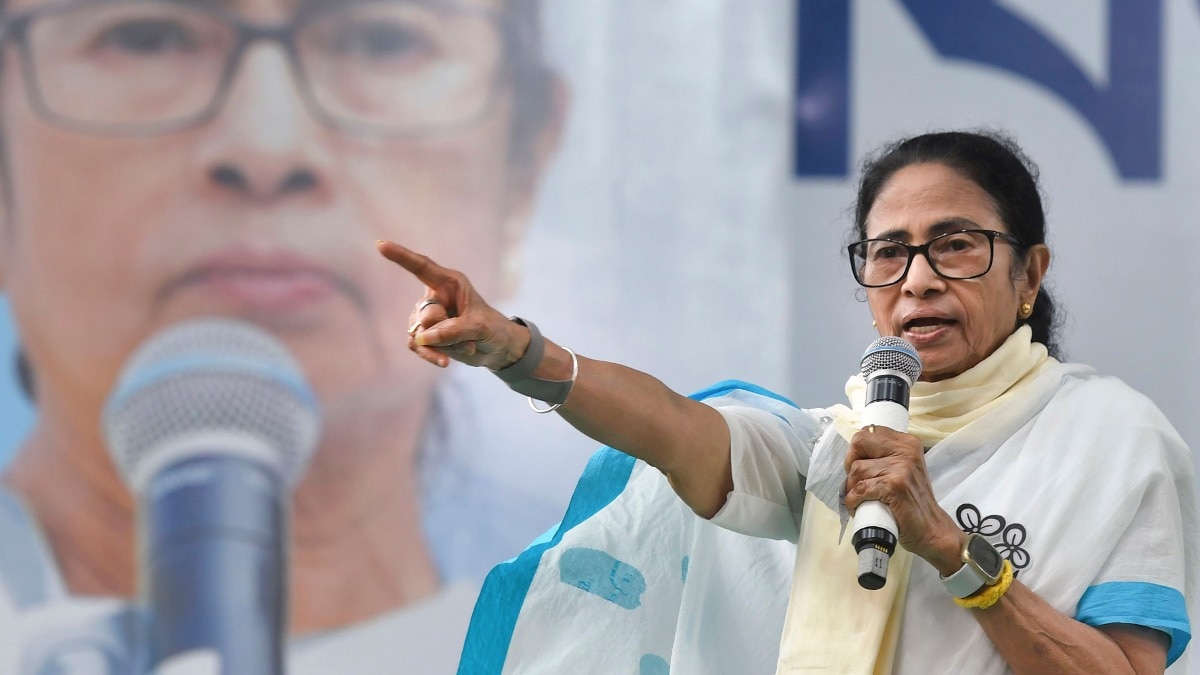
Bengal Governor RN Ravi has dissolved the assembly, officially putting an end to the Trinamool Congress government in the eastern state. This means Mamata Banerjee, who has been hell-bent on not resigning, is no longer the Chief Minister.
The governor used the constitutional powers vested in him under Article 174 (2)(b) of the Constitution of India. “I hereby dissolve the Legislative Assembly of West Bengal with effect from 7th May, 2026,” RN Ravi said in the official notice.
The 71-year-old Banerjee had been defiant and held onto her CM’s chair, alleging the BJP’s decisive debut in the eastern state was a result of looting of votes and EVM tampering. She claimed the Election Commission colluded with the saffron side to dethrone her side and that the latter won “immorally”.
The Bengal government’s term ended yesterday. Now, until the new Chief Minister is sworn in, the governor is supposed to take interim charge of the state, former Government of India Secretary, Jawhar Sircar said.
The state has been rife with drama and controversies since the poll results were announced. The Trinamool Congress claimed that votes were looted in 100 seats across the state where their candidates were leading from the beginning of the counting. Hundreds of central forces were deployed in the state to ensure peaceful polling. Even so, post-poll violence broke out in several regions of the state. More than five people have been killed so far, including BJP CM frontrunner Suvendu Adhikari’s aide Chandranath Rath, who was shot dead in point-blank range in Madhyamgram.
The BJP is yet to announce their chief minister choice. There is a meeting of BJP MLAs at 2 pm tomorrow to elect their leader of the legislative party.
WHAT IS ARTICLE 174 (2)(b)?
The Article 174, Clause 2 of the Constitution deals with the governor’s powers over the state legislature. It states, “The governor may from time to time — (a) prorogue the House or either House; (b) dissolve the legislative assembly.”
In simple language, the Article grants the governor two vital powers: sub-clause (a) prorogation and sub-clause (b) dissolution. The first sub-clause says the governor can end a session of the state Legislature (or either House, in a bicameral legislature) without dissolving it. The legislature can be summoned again for a new session later.
Meanwhile, the second sub-clause gives the governor the power to dissolve the legislative assembly, which triggers fresh elections.
In an earlier report, experts had shared insights with India Today on why it is unconstitutional for Banerjee to remain in the CM’s chair despite losing the polls. All of them had echoed that if she didn’t resign, then the Bengal governor would be forced to dismiss the state assembly as the constitutional provision says a government cannot continue after five years.
– Ends