









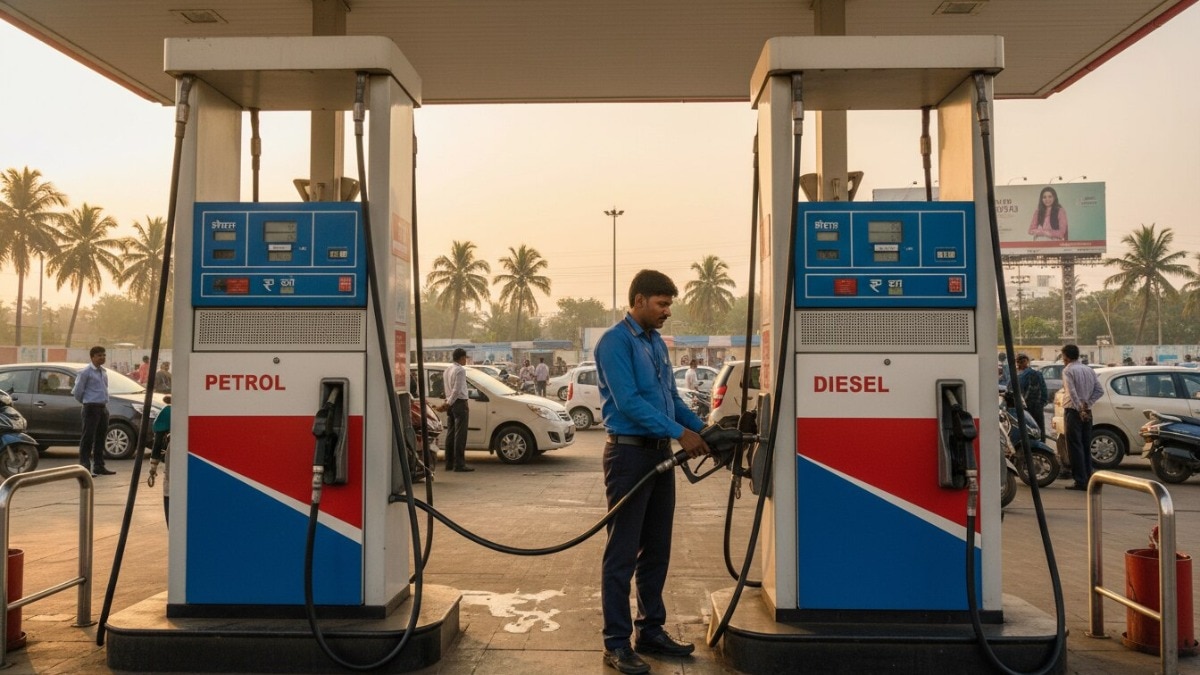
Petrol and diesel prices in India will be hiked before May 15 as oil marketing companies (OMCs) face mounting financial losses estimated at nearly Rs 30,000 crore per month amid soaring global crude rates, sources told India Today TV.
“OMCs are facing under-recoveries of nearly 30,000 crore per month,” sources said, pointing to a sharp mismatch between retail fuel prices and rising input costs. The strain has intensified after crude oil prices surged from around USD 70 to USD 126 per barrel amid the ongoing Middle East war.
Despite the global oil shock, India has so far kept retail fuel prices largely stable, with both the government and OMCs absorbing a significant portion of the burden. “The government and OMCs are currently absorbing up to Rs 24 per litre on petrol,” sources said.
Global crude prices have surged from around USD 70 per barrel to nearly USD 126 per barrel in recent weeks amid concerns over supply disruptions, shipping risks and prolonged instability in the Middle East. The Strait of Hormuz, through which nearly 20 per cent of the world’s oil supply passes, has remained heavily disrupted due to the war, triggering a wider global energy shock.
If the hike is approved, petrol and diesel prices in India could rise by around Rs 4-5 per litre, while domestic LPG cylinder prices may see an increase of Rs 40-50. This would mark the first major revision in petrol and diesel prices in nearly four years, with retail rates having remained largely frozen since 2022.
While several countries introduced emergency measures to tackle the fuel crisis, including rationing in Bangladesh, reduced working days in Pakistan and Sri Lanka, and fuel price caps in South Korea, India managed to avoid shortages, long queues or rationing.
Government and industry sources said India responded quickly after the crisis escalated by ramping up domestic LPG production from 36,000 tonnes per day to 54,000 tonnes per day and reducing excise duties on petrol and diesel to shield consumers from rising global prices.
At peak crude prices, the government and oil companies were effectively absorbing nearly Rs 24 per litre on petrol and Rs 30 per litre on diesel, according to industry estimates. Even after excise duty cuts, Indian Oil, Bharat Petroleum and Hindustan Petroleum are estimated to have collectively suffered losses of nearly Rs 30,000 crore per month.
India also diversified its crude imports by sourcing larger volumes from Russia, the US, West Africa and other regions, while refineries reportedly operated at over 100 per cent capacity to ensure uninterrupted fuel supplies.
Officials said the government is closely monitoring developments in West Asia and evaluating multiple options regarding the timing and extent of any fuel price revision. The focus, sources said, is on balancing the financial stress on oil companies while ensuring that any increase does not significantly fuel inflation.
Officials also pointed to the expansion of India’s energy infrastructure over the past decade as a key factor in managing the crisis better. LPG terminals have doubled since 2014, crude sourcing has expanded from 27 to 40 countries, ethanol blending has increased from 1.5 per cent to 20 per cent, and strategic petroleum reserves have been strengthened.
– Ends