








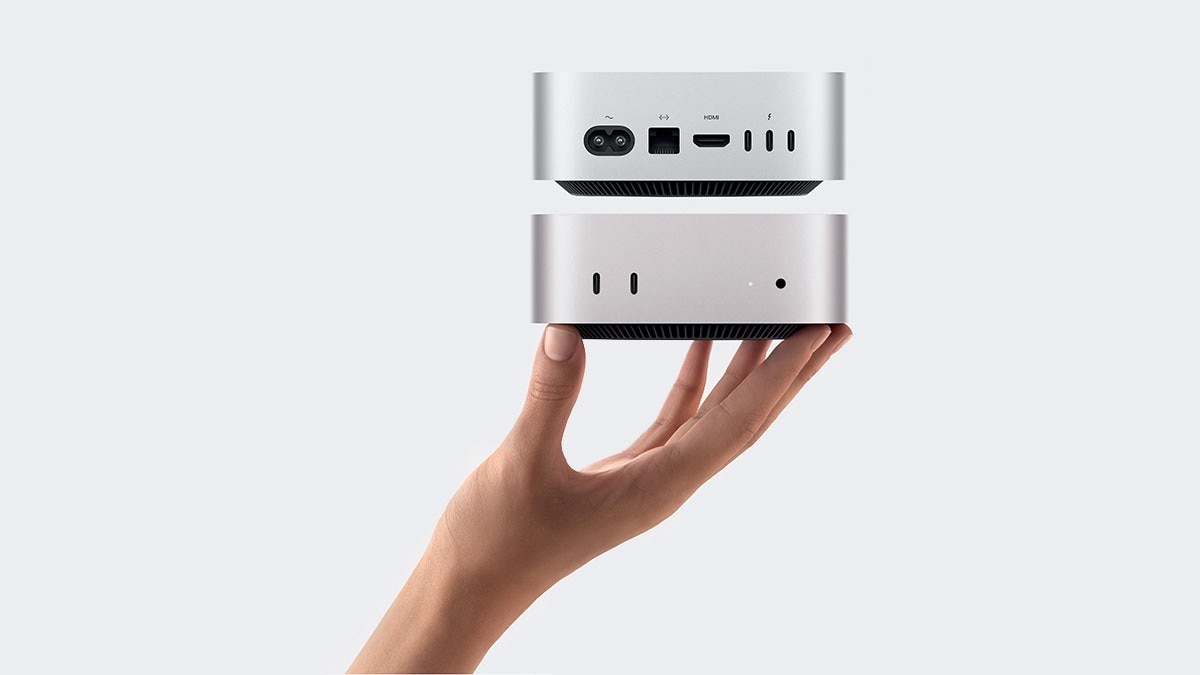
Apple has quietly stopped selling the cheapest Mac mini variant, and buyers looking for an affordable desktop Mac now have one less option. The company has removed the $599 Mac mini with 256GB storage from its online store, suggesting supply pressure and component shortages are now directly affecting retail availability. It is worth noting that the listing for the same model is also missing on the official India website of Apple.
The move comes after the entry-level Mac mini first went out of stock last week, which was first noticed by MacRumors. At that time, Apple had shown long shipping delays before changing the status to “currently available.” Now, the model has disappeared from Apple’s website entirely, indicating that the 256GB version may not return anytime soon.
With the removal of that variant, the Mac mini lineup now starts at $799 in the US and Rs 79,900 in India. That gets buyers the M4 chip, 16GB RAM, and 512GB storage. While Apple has not increased the price of the 512GB model itself, the minimum amount someone now has to spend for a new Mac mini has gone up by $200 in the US and Rs 20,000 in India.
But, the supply problems are not limited to the cheapest model. The 512GB Mac mini is reportedly backordered until June in the US, while several higher-end versions are showing either long wait times or “currently unavailable” tags. This is true for India as well if you are planning to order higher-end models because the base 512GB is deliverable by the end of May. Configurations with 32GB memory are among the hardest to find. Amazon listings are also said to be facing stock shortages across many Mac mini versions.
Apple CEO Tim Cook recently addressed the issue during the company’s quarterly earnings call. He said the Mac mini and Mac Studio are seeing stronger demand than expected, especially from users interested in AI workloads.
“On the Mac mini and the Mac Studio, both of these are amazing platforms for AI and agentic tools, and the customer recognition of that is happening faster than what we had predicted, and so we saw higher than expected demand.”
Cook also pointed to pressure around “advanced nodes,” referring to the cutting-edge chip manufacturing processes used for Apple silicon. That suggests Apple may be dealing with both strong demand and supply-side limitations at the same time.
He added that it could take “several months” before supply and demand come back into balance. For buyers, that means shortages may continue through the next few months.
This also point to the wider global memory chip shortage as another reason behind these changes. AI server expansion by major tech firms has increased demand for RAM and storage components, making them costlier and harder to secure. Cook himself said Apple expects “significantly higher memory costs” this quarter.
That may explain why Apple appears to be prioritising higher-priced Mac configurations with larger storage and memory options, while quietly dropping the lowest-cost model.
– Ends
Tune In