

It’s true that there’s no age limit when it comes to building a new habit, but that doesn’t make it easy. Most of us start with excitement, stick to it for a few days, and then, as the novelty wears off, begin to skip it. Before you know it, the habit you thought would change everything quietly disappears from your routine.
However, there’s a growing trend that’s making it easier for people to stick with new habits. We are talking about habit stacking. And yes, it’s exactly as simple as it sounds. You attach a new habit to something you already do daily, and it naturally becomes part of your routine.
Thanks to people openly sharing their experiences online, one thing is clear: this approach seems to be working for many. Turns out, piggybacking your habits might just be the life hack we didn’t know we needed.
One Reddit user shared that after putting their phone on charge at night, they read one page of a book. Another user mentioned that while packing lunch for their kids in the morning, they pair it with their oil-pulling ritual.
“I have learned that one of my best tools is habit stacking! For example, when I get out of bed, I always have to go pee, so when I’m in the bathroom, I also brush my teeth and take my meds. When I put my toast or English muffin in the toaster, I unload the dishwasher while I wait,” penned another user on Reddit.
While some use this habit-stacking hack as a wellness tool, others use it to manage their chores. Either way, it seems to be making everyday routines a little more productive. And, just like that, you’re more likely to stick with your habits for the long run.
Why habit stacking works?
According to Dr Vishnu Gade, psychiatrist at Arete Hospitals, Hyderabad, what habit stacking really does is remove the guesswork.
Think of it this way: you’re not asking yourself when to do something new; it’s already tied to something that’s established. That existing habit becomes a kind of cue. Over time, the brain links the two, so it starts to feel less like effort and more like a natural sequence.
And, it is good for your mental health. “It can be quite stabilising, actually. When small positive actions are built into your routine, they’re less dependent on how you’re feeling that day. And that’s important, because mood fluctuates. So even on off days, you’re still doing something supportive without having to push yourself too much,” Dr Gade tells India Today.
The beauty of habit stacking lies in its simplicity. There is no need for drastic lifestyle changes or rigid schedules. Instead, it encourages small, manageable additions that seamlessly blend into your routine. This makes it particularly effective for people who struggle with consistency, as the effort required to start a new habit is significantly reduced.
“I have always struggled to keep up with my water intake, and my work demands an hourly report submission. So, I clubbed the habit of drinking water with that hourly report, and it actually worked,” shares a 25-year-old professional from Pune.
You don’t need an extra dose of motivation
Now ask yourself, what’s the first thing that fades when you try something new? Motivation. That’s exactly where habit stacking steps in, quietly reducing your reliance on it.
Dr Gade explains that motivation is unreliable; it comes and goes. Habit stacking, on the other hand, relies more on structure than motivation. You attach the new behaviour to something that’s already part of your routine, so you don’t need that extra push every time. It simply lowers the barrier to getting started.
Before you start…
Stacking too many habits together can backfire quite easily. “If you add too much, it stops feeling natural and starts to feel forced. Then it becomes a task list rather than a habit. The brain tends to push back against that. Keeping it small and realistic usually works much better,” says Dr Gade.
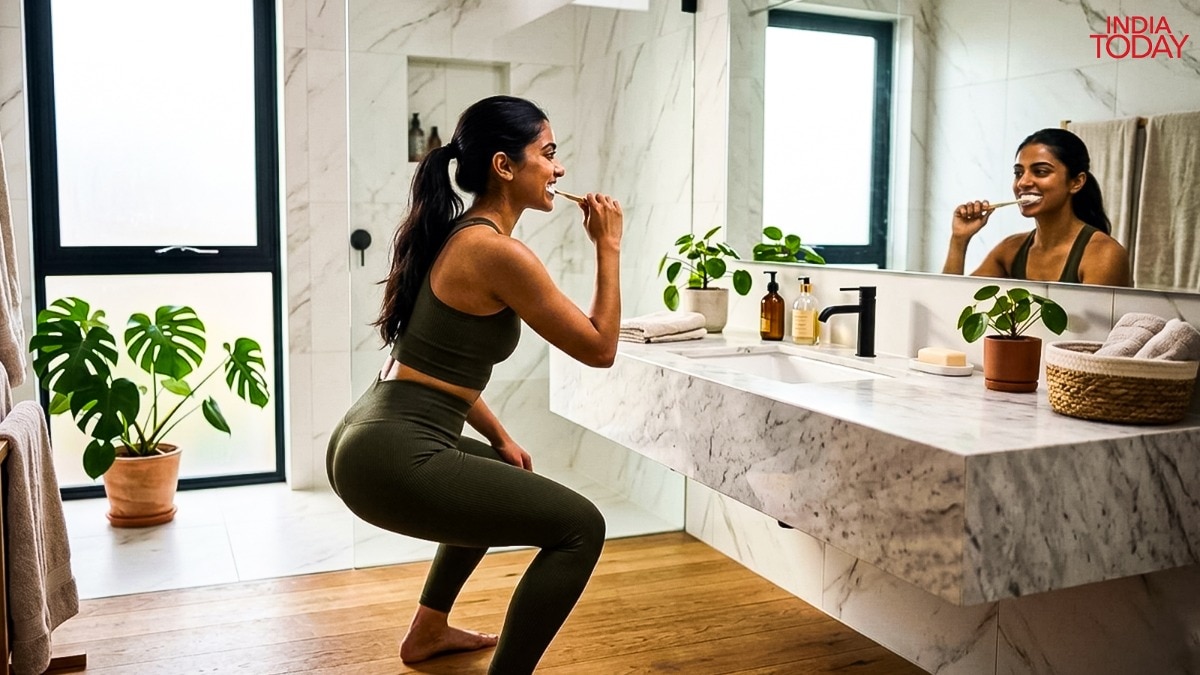
To build a habit stack, start by identifying a habit you already perform consistently. It could be brushing your teeth, checking your phone, or sitting down for meals. Then, choose a new habit you want to develop and pair it with the existing one.
It is better to start small and build gradually to avoid burnout or frustration. For instance, instead of attempting a full workout routine immediately after waking up, you might begin with a short stretch or a five-minute walk. Once that becomes second nature, you can expand the habit further.
The best part is that habit stacking can be applied to almost any area of life—health, productivity, or even mental well-being. You might practice gratitude after turning off your alarm, review your goals after lunch, or read a few pages of a book before going to bed. These small additions may seem insignificant at first, but over time, they compound into meaningful change.
Takeaway
Habit stacking is not about perfection. It is about creating a system that works for you, one small step at a time. By building on what you already do, you reduce friction and make self-improvement feel less like a challenge and more like a natural part of your day.
Personally, habit stacking has become a part of my routine ever since I became a mom. Every time I pick up my daughter, I do a squat, and whenever I cook her meals, I make sure to clean her bottles at the same time. Her playtime at the park becomes my workout time. Stacking these habits not only cuts down the mental load but also makes everything easier to remember.
– Ends