

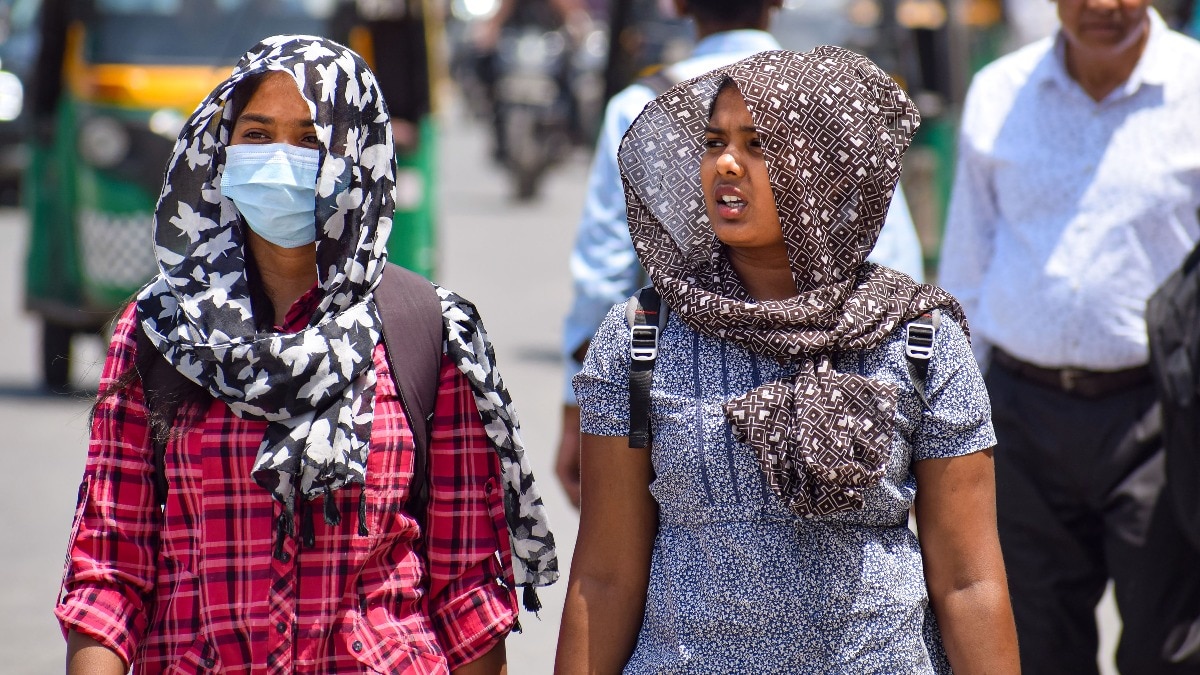
India’s weather is no longer predictable, it swings between extremes. Winters bite harder than before, while summers stretch into long, punishing heatwaves that leave many drained.
These sharp shifts are not just uncomfortable; they are taking a toll on the body. From infections and heart strain to brain health, hormones, and mental well-being, extreme weather is quietly increasing health risks, especially for children, older adults, and those with existing conditions.
Here’s how doctors across specialities explain the impact, and what you can do to protect yourself.
HOW TO PROTECT BRAIN HEALTH
Dr. Namita Kaul, Director of Neurology at Medanta Hospital, Noida, explains that the brain depends on steady blood flow, oxygen, and fluid balance. Dehydration reduces blood circulation, leading to headaches, dizziness, fatigue, and poor concentration.
Heat can also disturb the body’s salt balance, which is essential for nerve function. This can be risky for people with epilepsy, a history of stroke, or migraines, and for older adults.
To stay safe:
- Drink water regularly, even if you don’t feel thirsty
- Limit caffeine and alcohol
- Use oral rehydration or electrolyte fluids if sweating heavily
- Stay indoors during peak heat hours
- Dress lightly and use cooling methods
In cold weather, layering up—especially covering the head and extremities—helps prevent spikes in blood pressure that can increase stroke risk.
HOW TO KEEP THE HEART HEALTHY
Extreme temperatures, both hot and cold, put added pressure on the heart. Cold weather causes blood vessels to narrow, increasing blood pressure and the risk of clots. On the other hand, heat leads to dehydration, forcing the heart to work harder and raising the risk of cardiac events.
Dr. Anjan Siotia, Director of Cardiology at BM Birla Heart Hospital, says the cold season can act as a trigger for serious heart conditions.
“By consuming healthy food and exercising regularly, one can maintain good body weight. This will not only help in diabetes, BP, and cholesterol management but also reduce the risk of heart problems,” he says.
Smoking and consumption of tobacco in any form is a major health risk and it must be completely shunned to reduce cardiac risk.
Managing stress is equally important to reduce strain on the heart.
ENT GUIDELINES
Dr Leeni Mehta, Senior Consultant Physician at Apollo Medical Centre, explains that cold mornings and low humidity can dry out the nose and throat. When this protective lining weakens, viruses and bacteria find it easier to enter the body. Sudden temperature changes can also affect blood pressure.
At the same time, rising afternoon heat during seasonal transitions can overwhelm the body’s cooling system, leading to heat exhaustion or even heatstroke.
She advises:
- Stay well hydrated throughout the day
- Eat a balanced diet rich in fruits and vegetables
- Dress in layers to adapt to temperature changes
- Avoid stepping out during peak afternoon heat
- Do not self-medicate, especially with antibiotics
- Seek medical help if symptoms persist
If a cold, cough, or fever does not improve within a few days, it is important to consult a doctor early.
HOW HEAT AFFECTS HORMONES
Dr. Abhay Inderjit Ahluwalia, Director of Endocrinology at Fortis Memorial Research Institute, Gurugram, explains that extreme heat can disrupt the body’s hormone balance. It increases stress hormones like cortisol, which can lead to fatigue and irritability.
Heat also affects reproductive hormones, potentially lowering testosterone and disturbing estrogen and progesterone levels, which can impact menstrual cycles and fertility.
For people with diabetes, the risks are even higher. Heat can worsen insulin resistance and speed up insulin absorption, increasing the chances of low blood sugar. Dehydration happens faster, and heat can damage insulin and medical devices.
He advises:
- Drink plenty of water and fluids with electrolytes
- Store insulin properly in a cool place, but not directly on ice
- Monitor blood sugar more frequently
- Avoid direct heat exposure and stay indoors when possible
HOW TO TAKE CARE OF YOUR MENTAL HEALTH
Dr. Harish Shetty, Mumbai-based psychiatrist, says extreme heat can affect emotional well-being. People may feel more irritable, tired, and struggle with sleep or appetite. Dehydration can worsen these symptoms and even lead to dizziness or low blood pressure.
He recommends:
- Staying well hydrated
- Eating meals on time
- Avoiding heavy physical activity during peak heat
- Scheduling work during cooler parts of the day
- Reducing travel and outdoor exposure
- Getting enough sleep and sharing concerns with others
As climate patterns continue to shift, these extreme conditions are becoming part of daily life. Small, consistent steps, staying hydrated, adjusting routines, and paying attention to early symptoms, can go a long way in protecting overall health.
– Ends