

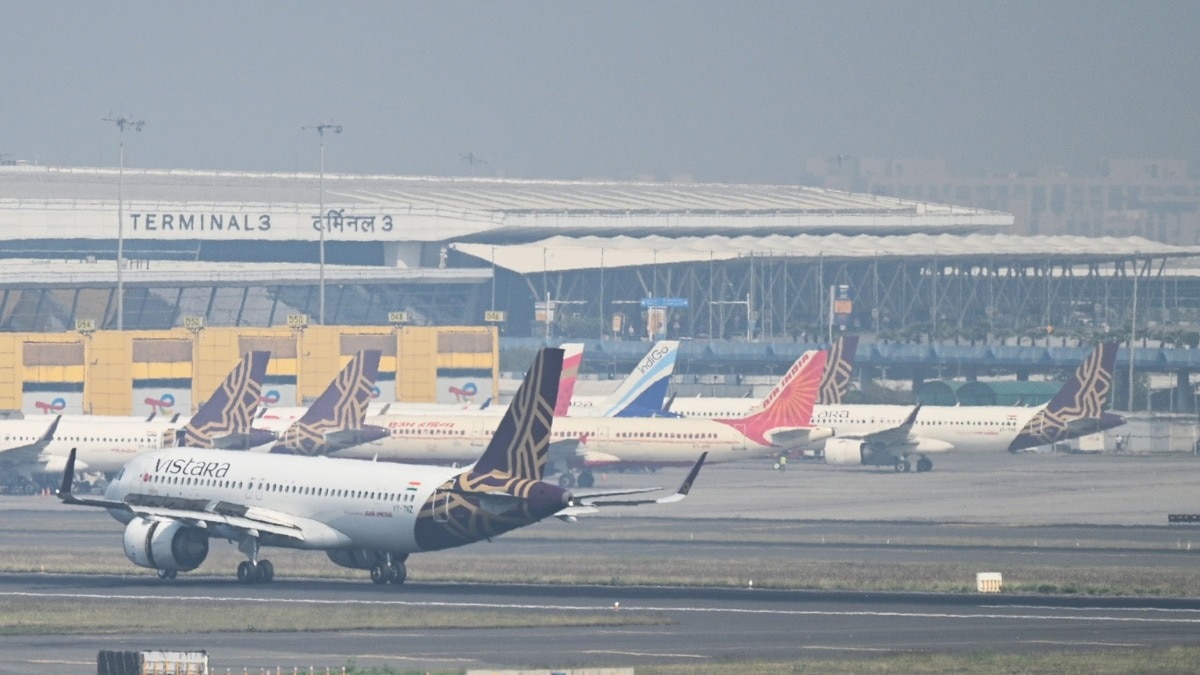
The last time India’s airlines were this vulnerable, the world was shutting down. In 2020, the Covid pandemic grounded fleets and drained financial reserves faster than any carrier could have anticipated or planned for.
The government responded with a credit guarantee scheme that let lenders extend emergency loans without bearing the full risk themselves. The Emergency Credit Line Guarantee Scheme (ECLGS) is back now to serve an aviation industry facing dire prospects again due to the conflict in West Asia.
The Union Cabinet approved ECLGS 5.0 on May 5. While MSMEs are part of the big picture, the focus is on aviation. The terms customised for airlines are far more generous than anything in the standard MSME structure, with quantum of support up to Rs 1,500 crore per borrower and a seven-year repayment tenure. That repayment period is meant to help. The total credit flow set aside for the aviation sector is Rs 5,000 crore.
Almost 40 per cent of an airline’s operating costs are taken up by aviation turbine fuel (ATF), which in turn is directly linked to global crude oil prices. ATF expenses have been spiking through the West Asia crisis as airlines, to avoid the conflict zone, are forced to take longer routes to their destinations. That cost jump will show as a deep red line on airlines’ balance-sheets. No hedging strategy can absorb the blow of a sustained crude oil price shock that this festering military conflict is creating.
The most relevant precedent is of SpiceJet. The airline is said to have used Rs 1,000 crore worth of ECLGS funds since the pandemic, to go ahead with payments against dues to lessors and fuel suppliers and keep its aircraft in air. Although the scheme did not resolve SpiceJet’s fundamental financial problems, it ensured survival.
Kapil Kaul, CEO of aviation consultancy firm CAPA India, considers ECLGS 5.0 a “huge relief”. “The government has been very proactive in providing relief to the aviation sector in this crisis. First, they ringfenced ATF, then they gave airlines 50 per cent rebate in landing charges, and now this. It’s a huge relief, particularly for smaller airlines,” he said.
Industry insiders are of the view that the Rs 5,000 crore succour would be adequate for carriers like SpiceJet and Akasa Air. “The big two (IndiGo and Air India) might not need this. Because should they do, Rs 5,000 crore wouldn’t suffice,” said Kaul.
As the Iran war, which erupted on February 28, lingered, airlines had flagged a red alert of sorts to the Indian government, saying their operations would be threatened if the circumstances did not improve or support was not extended.
Indeed, there is ample global evidence that airlines cannot survive major external shocks without governmental support. During the Covid pandemic, over $46 billion in loans and payroll assistance was provided to carriers in the United States. The recoveries came faster than most forecasters had expected and mass layoffs were avoided. In Germany, a €9 billion government bailout for Lufthansa saved over 100,000 jobs. The airline paid back the state early.
Experts say the seven-year repayment tenure under ECLGS 5.0 has a purpose. Aviation debt doesn’t unwind quickly: aircraft leases last for a number of years and fuel supplier contracts are lengthy affairs. Also, the geopolitical crisis triggering this current shock seems to have no visible timeline. A shorter repayment tenure could send carriers into yet another financial squeeze. At the same time, ECLGS 5.0 cannot regulate how long the underlying shock will last. It only buys time for the bleeding carriers. But how much is anybody’s guess.
Subscribe to India Today Magazine
– Ends