

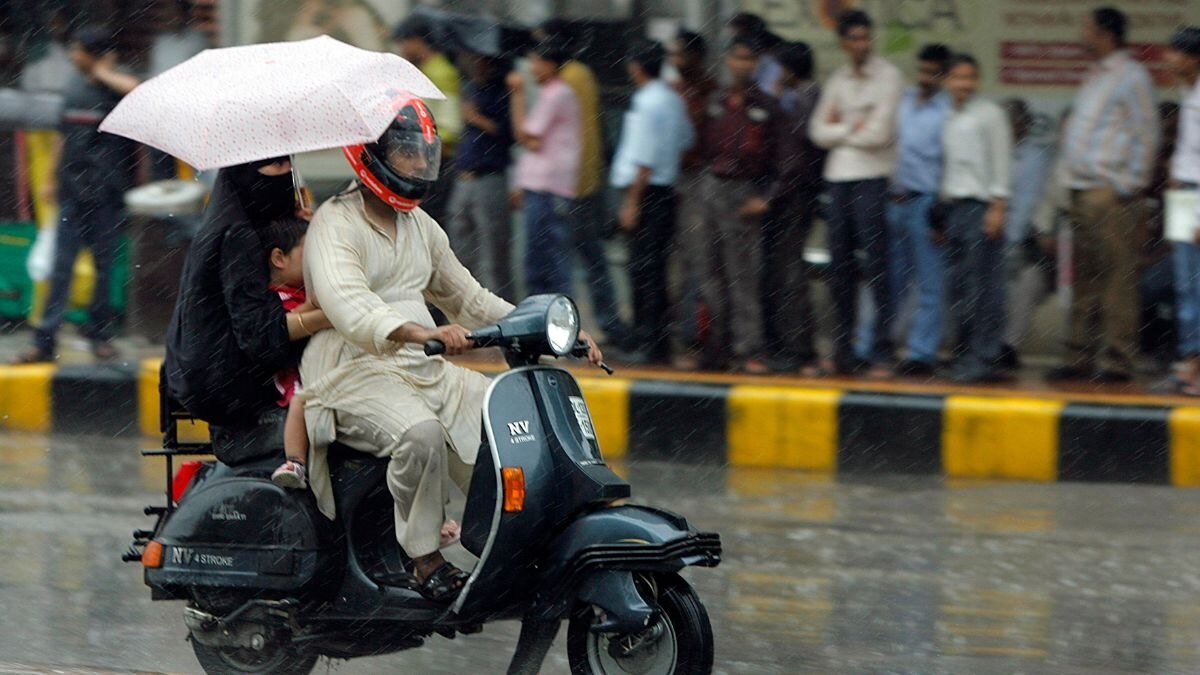
India is likely to witness an unusually wet start to the pre-monsoon season, with the India Meteorological Department forecasting above-normal rainfall across the country in May 2026.
According to the latest outlook, rainfall during the month is expected to exceed 110% of the Long Period Average (LPA), signalling a significant shift from typical early summer conditions.
The LPA for May rainfall, based on data from 1971 to 2020, stands at 64.1 mm for both North India and the country as a whole. This year’s projection suggests that most regions will receive normal to above-normal rainfall, offering relief from rising temperatures and potentially easing early-season heatwave conditions.
However, the distribution of rainfall is expected to be uneven.
While large parts of the country are likely to receive ample showers, some pockets of east and northeast India, along with east-central regions, may experience below-normal rainfall.
This regional variation could influence agriculture planning, particularly for crops dependent on early seasonal rains.
In the immediate term, the IMD has warned of intense weather activity in several regions. Sub-Himalayan West Bengal and Sikkim, along with parts of northeast India, are expected to receive fairly widespread to widespread rainfall accompanied by thunderstorms, lightning, and gusty winds reaching speeds of 40-60 kmph until May 5.
Heavy to very heavy rainfall is also likely in these areas, raising concerns about localised flooding and disruptions. Similar weather conditions are forecast across other parts of the country.
The Western Himalayan region, plains of northwest India, and adjoining central regions are likely to experience isolated thunderstorms, lightning, and gusty winds between May 3 and May 6. Meanwhile, eastern India and east coast states are also expected to see storm activity during the same period.
Meteorologists say such weather patterns are typical of the transition phase between spring and the southwest monsoon, but the scale and intensity of rainfall this May could be higher than usual. Increased thunderstorm activity, combined with strong winds, may also pose risks to infrastructure, agriculture, and outdoor activities.
The forecast comes at a time when large parts of India have been grappling with rising temperatures. Above-normal rainfall could help moderate heat levels, improve soil moisture, and support water availability in the short term.
However, experts caution that intense spells of rain within short durations could also lead to urban flooding and crop damage in vulnerable areas.
As India heads into May, the IMD has urged state authorities and residents to stay updated with local weather advisories, especially in regions prone to severe thunderstorms and heavy rainfall.
– Ends
Tune In