






Punjab has reported a striking 66 per cent rise in post-settlement Goods and Services Tax (GST) collections for April 2026 compared to the same month last year, triggering political reactions and claims of governance success.
According to official data shared by Punjab Finance Minister Harpal Singh Cheema, GST collections rose from Rs 1,795 crore in April 2025 to Rs 2,987 crore in April 2026, marking the highest growth recorded by any state.
“This surpasses all major states and the national average, marking the highest growth registered by any state,” Cheema said while sharing the figures.
KEJRIWAL HAILS GOVERNANCE MODEL
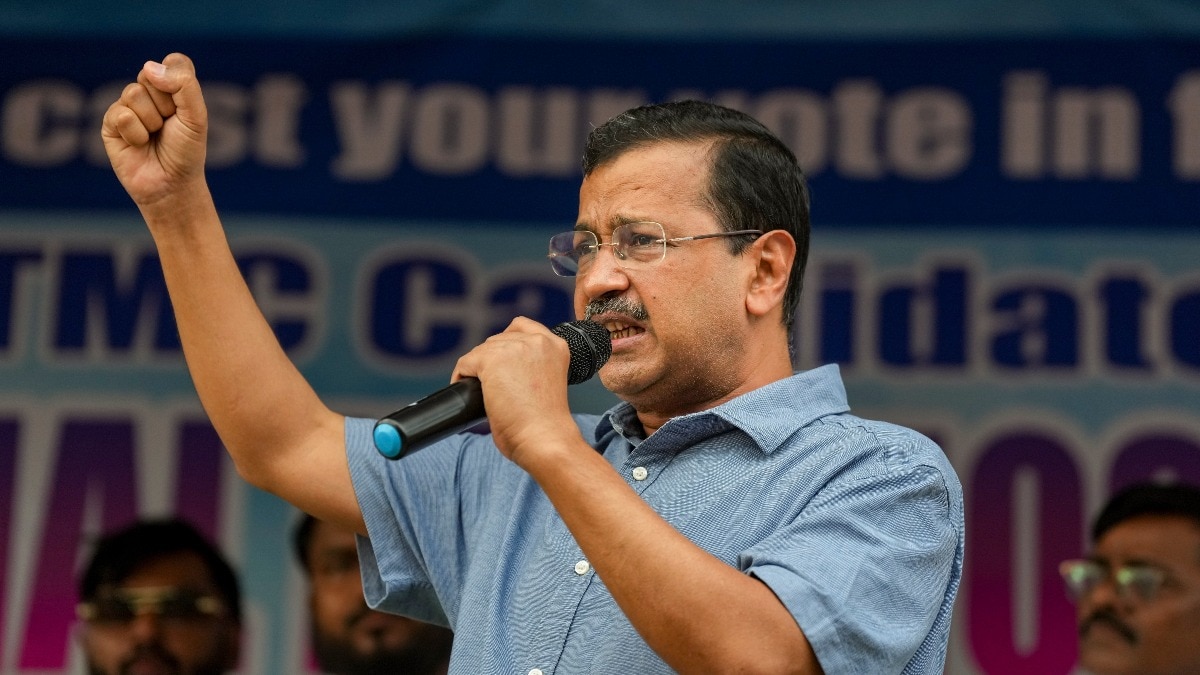
Aam Aadmi Party national convenor Arvind Kejriwal praised the Punjab government, linking the revenue jump to administrative intent and policy direction.
“For decades, governments kept saying ‘paise nahi hain’ as an excuse for inaction. Today, Punjab proves the truth — it was never about money, it was about intent,” he said in a post on X.
He added that improved revenue collection is now being channelled into public services. “With honest governance, there has been a record growth in revenue, and that money is now being used to serve the people of Punjab. That’s the AAP model,” he said.
POLITICAL TENSION CONTINUES IN PUNJAB
The development comes amid heightened political exchanges in Punjab. On Friday, a heated confrontation broke out between AAP and the Congress during the Assembly session over allegations against Chief Minister Bhagwant Mann.
Congress leaders demanded that the Chief Minister undergo an alcohol test, alleging that he appeared intoxicated during proceedings. The remarks triggered sharp reactions inside the House, with both sides trading accusations.
“What should we even do coming to the Assembly where the Chief Minister is in an inebriated state? We demand that everyone’s test be conducted,” a Congress leader said during the session.
Responding to the allegations, Mann said, “They have no issues to raise. What test should be done?”
While the ruling party projects the GST growth as evidence of effective governance, opposition parties continue to question administrative conduct in the state, setting the stage for further political friction.
– Ends