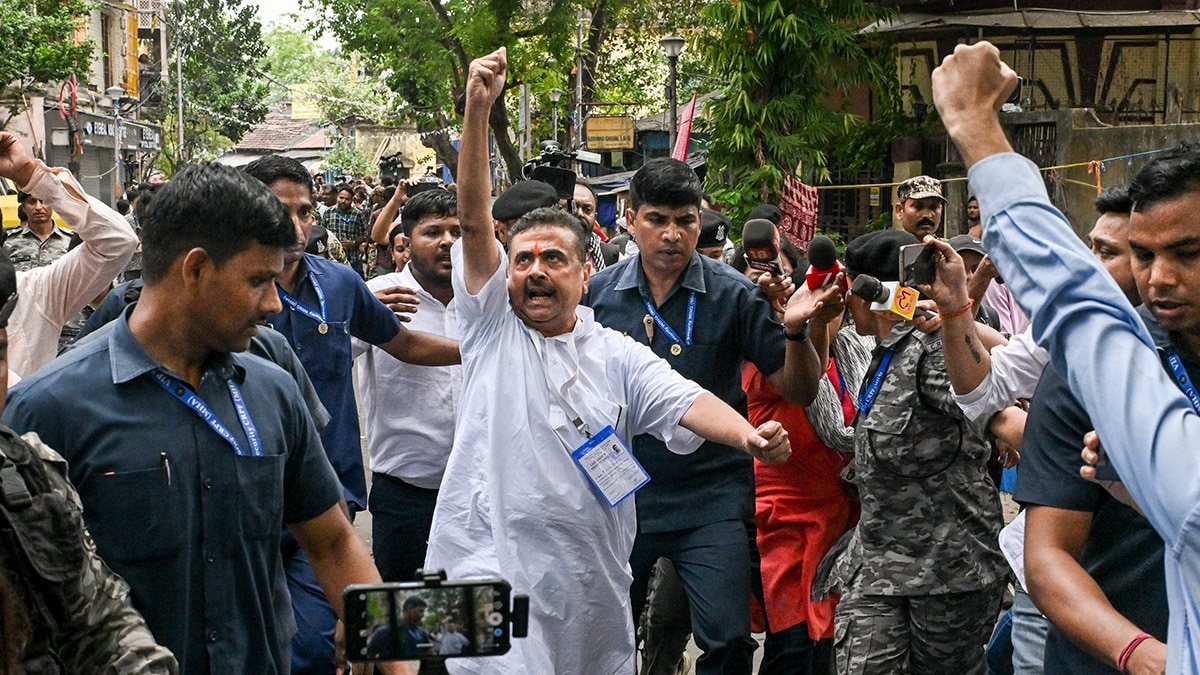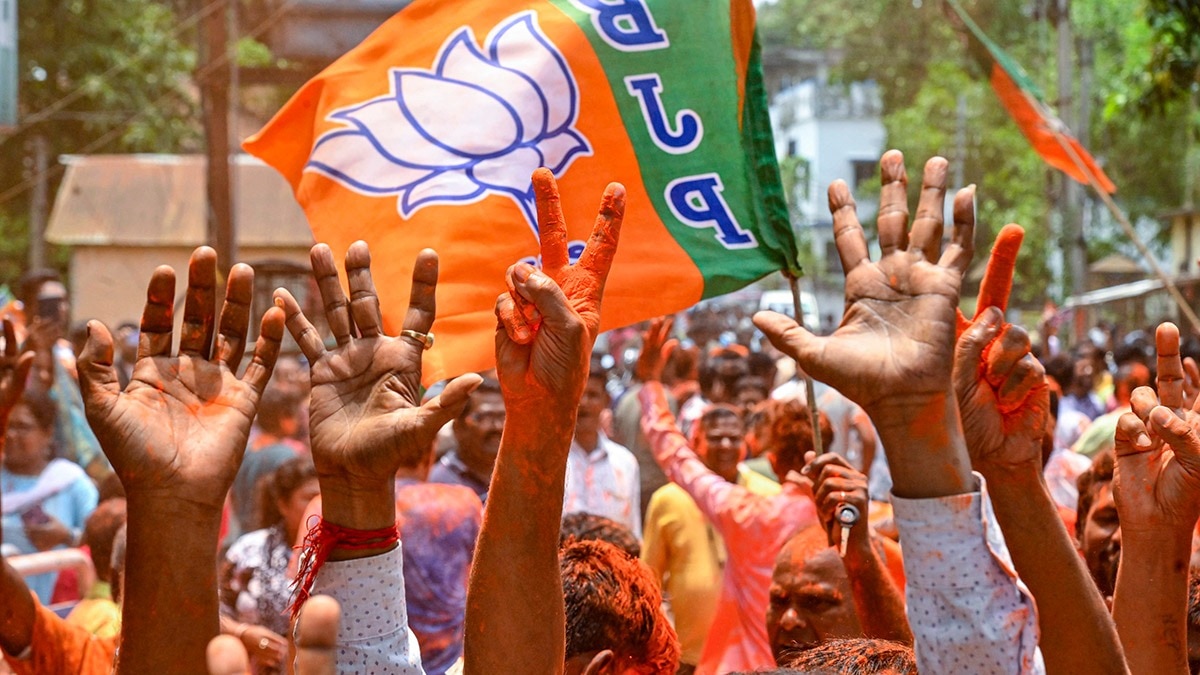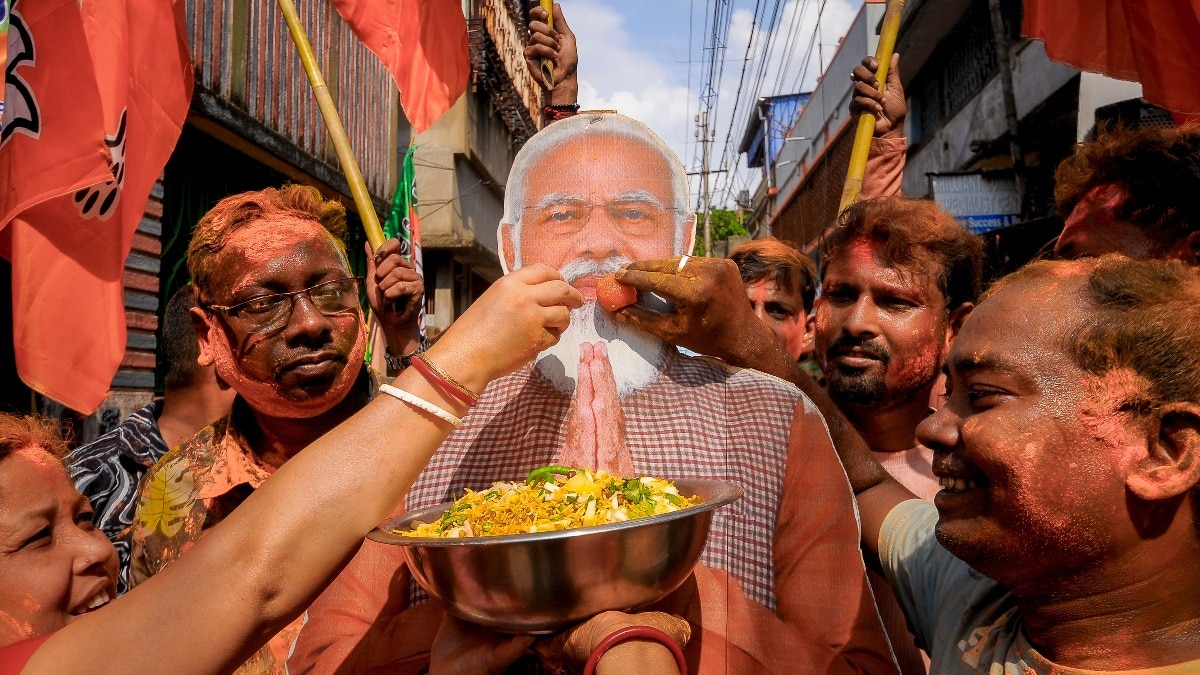
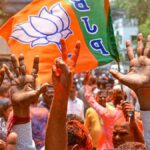



West Bengal elections have once again gone beyond arithmetic, evolving into a contest shaped by identity, emotion, and competing political narratives, with Prime Minister Narendra Modi’s campaign emerging as one of the most extensive in recent memory.
Once the election notification was issued, the Bharatiya Janata Party (BJP) launched an aggressive outreach drive. Between April 5 and April 27, as many as 61 national and state leaders covered all 288 constituencies, holding over 600 public programmes and reaching nearly 2 million people.
MODI AT THE CENTRE OF OUTREACH
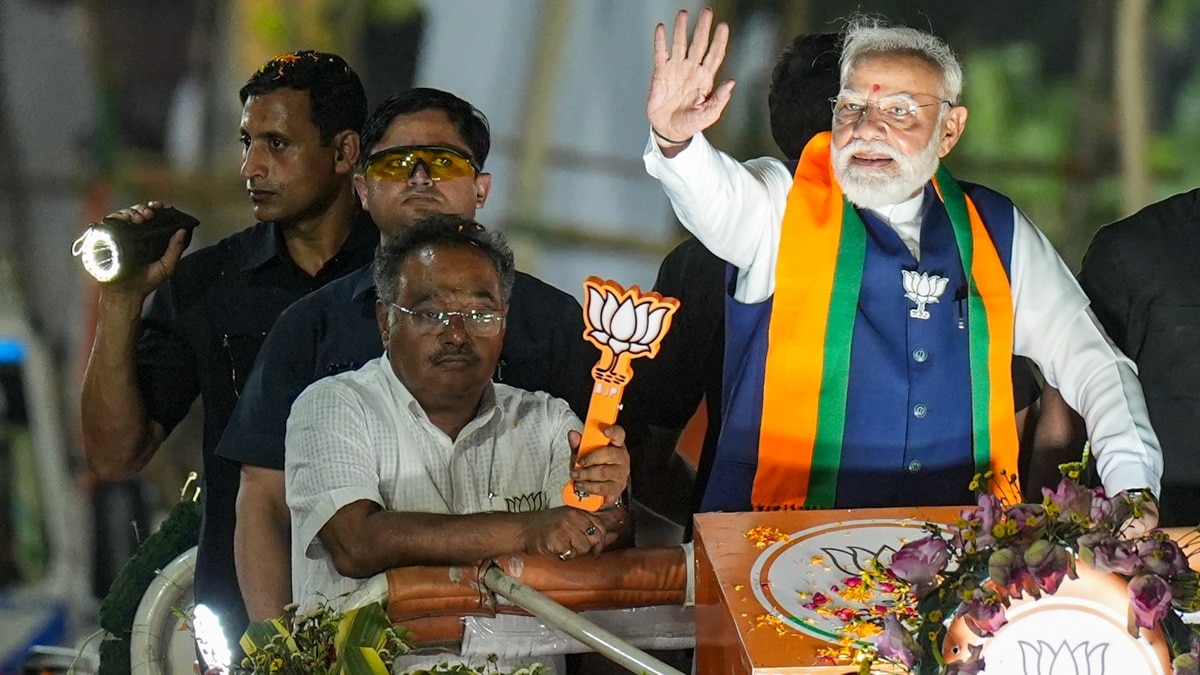
At the centre of the campaign was Narendra Modi, who visited the state more than 22 times. After the Model Code of Conduct came into force, he alone addressed 21 major events. His outreach spanned 41 of the 43 organisational districts, reflecting near-total geographic coverage.
The campaign had effectively begun even before the official announcement, with a massive rally at Kolkata’s Brigade Parade Ground on March 14, 2026, which drew an estimated crowd of over 550,000. During the election phase, Modi addressed 19 large rallies and held two high-profile roadshows in Howrah and Kolkata.
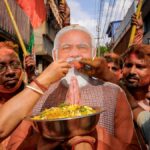
Beyond the scale, the campaign leaned heavily on symbolism. Modi’s brief halt in Jhargram to eat jhalmuri from a roadside stall and a boat ride on the Hooghly river in Kolkata were projected as efforts to connect with Bengal’s cultural ethos.
DATA-DRIVEN STRATEGY BEHIND THE SCENES
Behind the public spectacle, the BJP ran a coordinated, data-driven campaign. Teams drawn from Uttar Pradesh, Bihar, and West Bengal worked to craft a hyper-local narrative while maintaining a broader national message.
The campaign focused on key issues such as women’s safety, unemployment, and industrial decline. A recurring claim that thousands of companies had exited the state—though contested—featured prominently and helped shape voter perception.
WELFARE PITCH COUNTERS TMC SCHEMES
At the same time, the BJP avoided a direct confrontation with the All India Trinamool Congress (TMC) on welfare politics. Instead, it countered the TMC’s Lakshmi Bhandar scheme with its own “Annapurna Bhandar” promise of Rs 3,000 per month, aiming to blunt the ruling party’s advantage among beneficiaries.
IDENTITY VERSUS NATIONALISM NARRATIVE
The larger political contest in the state has taken the shape of a narrative battle between national leadership and regional identity. The TMC has framed the BJP as an “outsider”, appealing to Bengali pride and cultural distinctiveness. In contrast, the BJP has projected Modi as a national leader promising development and governance beyond regional lines.
REGIONAL STRATEGIES BOOST OUTREACH
In regions such as Junglemahal, the BJP’s localised approach complemented the Prime Minister’s appeal. Promises like recognition for the Kurmali language helped the party regain support among Kurmi voters, particularly in Purulia, Bankura, and Jhargram.
Among key social groups, including Adivasis, Matuas, and Rajbanshis, the BJP deployed a micro-influencer strategy to amplify its messaging through local voices.
DIGITAL-GROUND FUSION EXPANDS REACH
The campaign also reflected a hybrid communication model. While Modi-led rallies ensured high visibility, the party simultaneously relied on grassroots digital outreach to localise its message. Speeches were translated into regional dialects and tailored to community-specific concerns, extending their reach beyond large gatherings.
The BJP’s strategy appears to have expanded its footprint in areas where local grievances aligned with its broader national pitch, setting the stage for a closely watched electoral outcome in the state.
Elections 2026 | West Bengal Election | West Bengal Election Constituencies | West Bengal Election Schedule
Tamil Nadu Election Result Live
West Bengal Election Result Live
Puducherry Election Result Live
– Ends