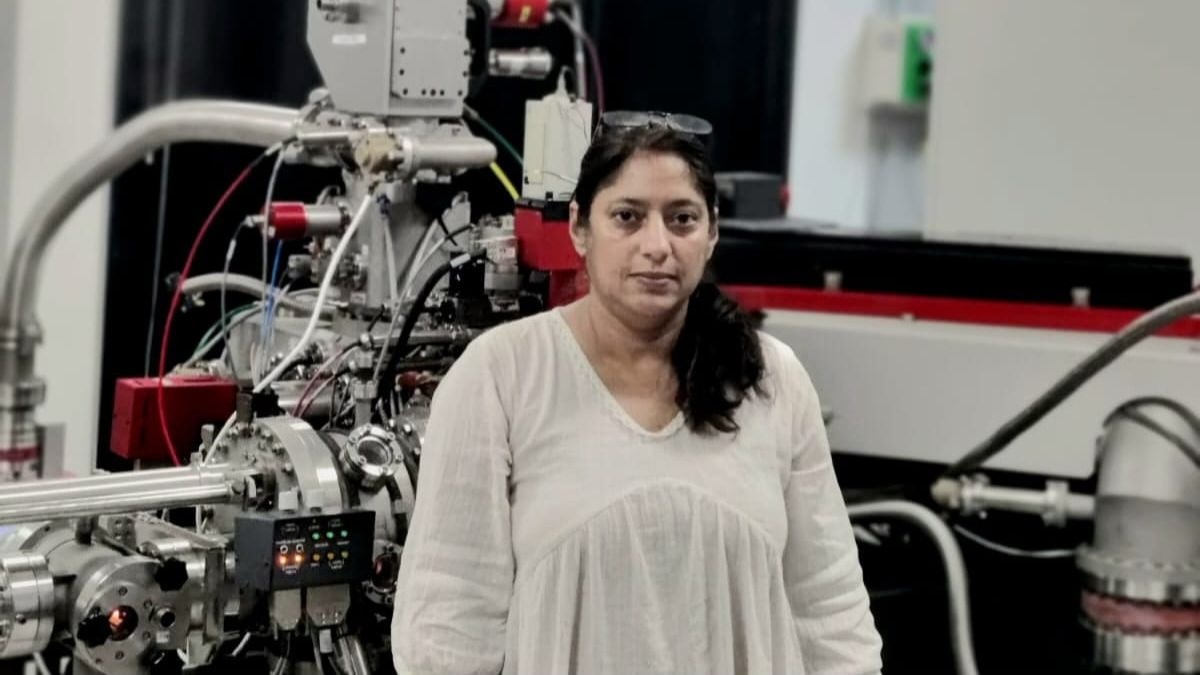











A woman shared how a seemingly promising work-from-home job interview quickly turned into a dealbreaker after the company revealed a strict employee monitoring policy that, according to her, felt more like “surveillance” than flexibility.
Instagram user Gurleen shared the video on her account, opening up about an interview experience that had stayed on her mind long after it ended. While the role initially seemed appealing, it was the company’s work-from-home expectations that ultimately made her reconsider pursuing the opportunity.
In the clip, Gurleen filmed herself while recounting the details of the interview, explaining that everything had been going smoothly until the recruiter began discussing the company’s tracking system for remote employees.
According to her, the organisation wanted to monitor productivity by recording employees’ screens, keeping constant watch during work hours, and capturing screenshots of their activity every ten minutes.
“There was a work-from-home role in which they wanted to keep track of our work,” she explained, adding that the company planned to record employees’ screens “while watching you all the time” and would also take screenshots at regular intervals.
Reacting to the policy, she jokingly remarked that she could not “even sit still for 10 minutes.”
Gurleen acknowledged that companies may want to ensure productivity and efficiency, especially in remote setups, but admitted the level of monitoring felt excessive to her.
She said work-from-home jobs, in her view, should offer some degree of flexibility and autonomy, adding that the arrangement felt “more like torture” than a supportive work culture.
She further shared that the moment the interviewer explained the policy, her enthusiasm for the role dropped significantly. Calling it a form of micromanagement, she said such a highly restricted environment would not allow her to grow professionally.
“This is even stricter surveillance than an office,” she said, adding that while some people might be comfortable with such expectations, it was “definitely not” the right fit for her.
The woman summed up her frustration in the caption of the video, bluntly asking: “Hiring humans or robots?”
Watch the video here:
The clip quickly struck a chord of relatability online, with many social media users saying the monitoring requirements sounded exhausting and overly intrusive.
Several people remarked that such policies defeated the purpose of remote work, arguing that employees would likely feel more relaxed physically going into an office rather than constantly being monitored at home.
Others criticised what they described as extreme micromanagement, saying excessive surveillance could damage trust between employers and employees and create unnecessary stress.
Some users also pointed out that while accountability in remote jobs is understandable, constantly recording screens and taking screenshots every few minutes crossed the line between performance tracking and invasion of privacy.
– Ends